
Parging
When does parging need repair in Halton Hills homes?
Parging is the cement coating often seen on exposed foundation walls. When it cracks, flakes, or separates, the question is whether it is cosmetic surface wear or a repair that should be handled by a local masonry contractor.
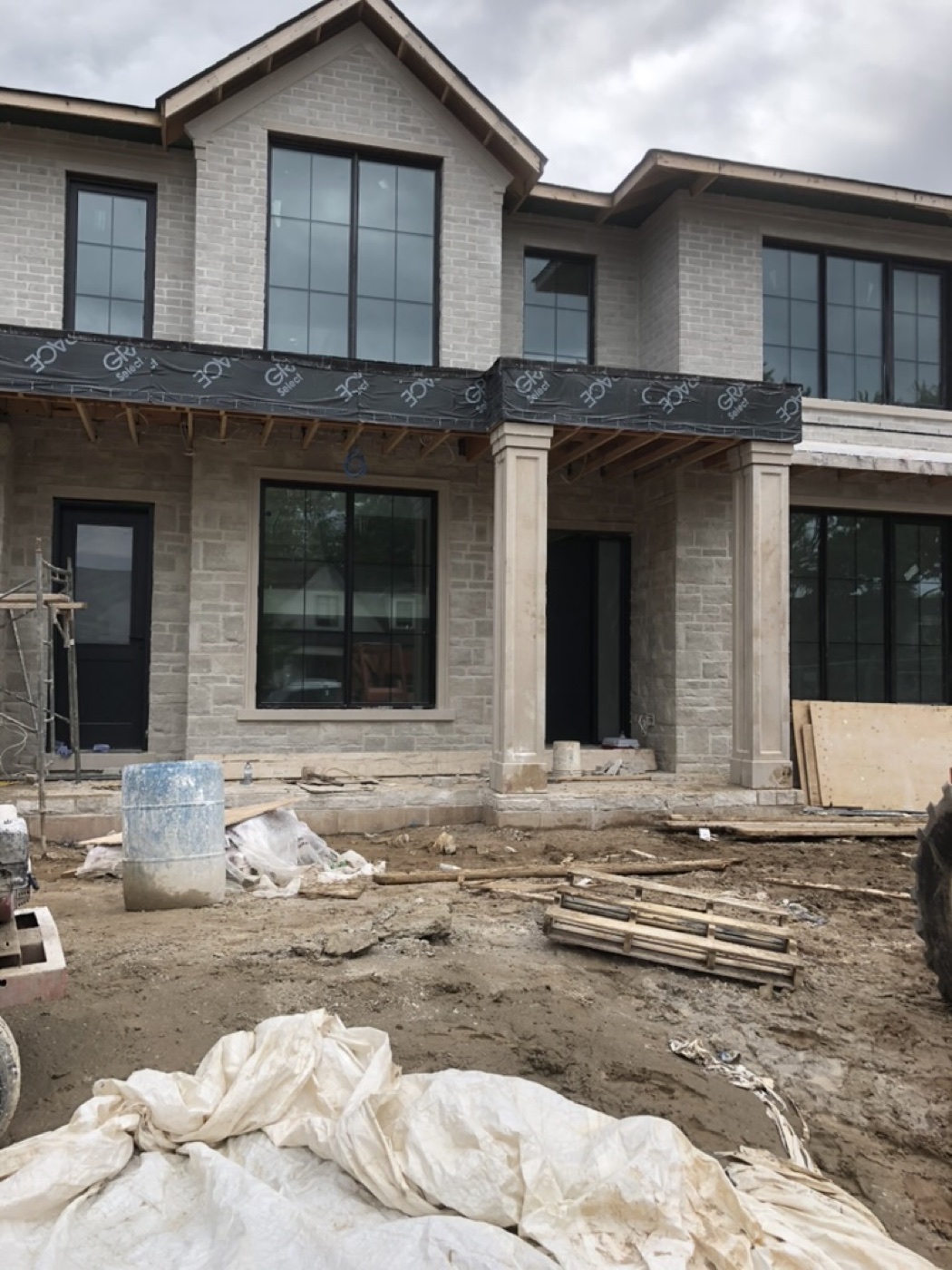
Parging can fail for simple reasons like age and weather, or for bigger reasons like moisture, movement, poor drainage, or surface prep. This guide is written for Halton Hills, Acton, Georgetown, and nearby West GTA homes, and explains what information helps a mason quote the work.
Know what parging does
Parging gives exposed foundation walls a cleaner finish and can help protect the surface from everyday weathering. It is not a cure for structural foundation movement or active water entry. If the foundation is moving, leaking, or staying wet, the cause has to be understood before the surface is repaired.
On many homes, parging is the visible transition between masonry, siding, brick, stone, grade, steps, and landscaping. Because it sits low on the house, it often sees splashback, snow buildup, salt, soil contact, and lawn equipment damage.
Repair signs to watch for
Small hairline cracks can be normal surface wear. Wider cracks, hollow-sounding areas, flaking, bulging, staining, or repeated failure in the same spot deserve a closer look.
| Sign | Why It Matters | What to Do |
|---|---|---|
| Flaking or peeling surface | The parging may not be bonded well to the foundation. | Photograph the full section and a close-up of the edge. |
| Hollow sound when tapped | The coating may have separated from the wall behind it. | Mark the area in your note when sending photos. |
| Horizontal or stair-step cracking | The issue may involve movement, masonry nearby, or water pressure. | Get the area reviewed before covering it again. |
| Dark staining or wet patches | Water may be collecting near the foundation. | Check grading, downspouts, and splashback. |
Find the cause before patching
A quick patch can look better for a while, but it may not last if the same moisture or movement keeps working behind it. Before repairing parging, look for downspouts dumping water near the wall, soil or mulch sitting too high, pooling water, cracked concrete beside the foundation, and snow or salt exposure in winter.
Nearby masonry can matter too. Loose brick, failed mortar joints, damaged stone, or cracked steps can change how water reaches the foundation area. If the foundation repair is beside brickwork, read how to tell if brick needs repointing before treating the parging as an isolated issue.
Repair, skim, or replace depends on the surface
The right repair depends on how much of the existing parging is still bonded. A small isolated chip may be repaired locally. A loose or hollow section may need to be removed before new material is applied. If the surface has widespread failure, skimming over the top may only hide the problem.
- Local repair can make sense when the damage is small and the surrounding parging is sound.
- Section replacement is better when the coating has separated or failed across a larger area.
- Surface preparation matters because new material needs a clean, stable base.
- Water management matters because repeated moisture can shorten the life of the repair.
Send photos that show grade and drainage
Use the free masonry estimate photo checklist before calling. For parging, include one wide photo that shows the foundation wall and ground, one close-up of the damaged area, one photo of nearby downspouts or concrete, and one photo showing access to the wall.
If you are planning stone at the same time as foundation work, the guide to stone veneer vs natural stone can help you think through transitions, weight, and exterior details before the project starts.
Local parging repair service areas
Yogi's Masonry handles parging, foundation-facing repairs, repointing, brickwork, and stonework for homeowners searching for masonry in Halton Hills, masonry in Acton, and masonry in Georgetown. A few clear photos usually help confirm whether the repair looks like local parging work or a larger foundation issue.
What to do next
- Check whether the parging is bonded. Look for hollow, loose, bulging, or flaking sections.
- Look for moisture around the wall. Check downspouts, grading, splashback, soil height, and concrete.
- Send photos for a free estimate. Call Yogi's Masonry at (905) 749-9533 or email the photo set.